


Iran and US near Hormuz deal breakthrough
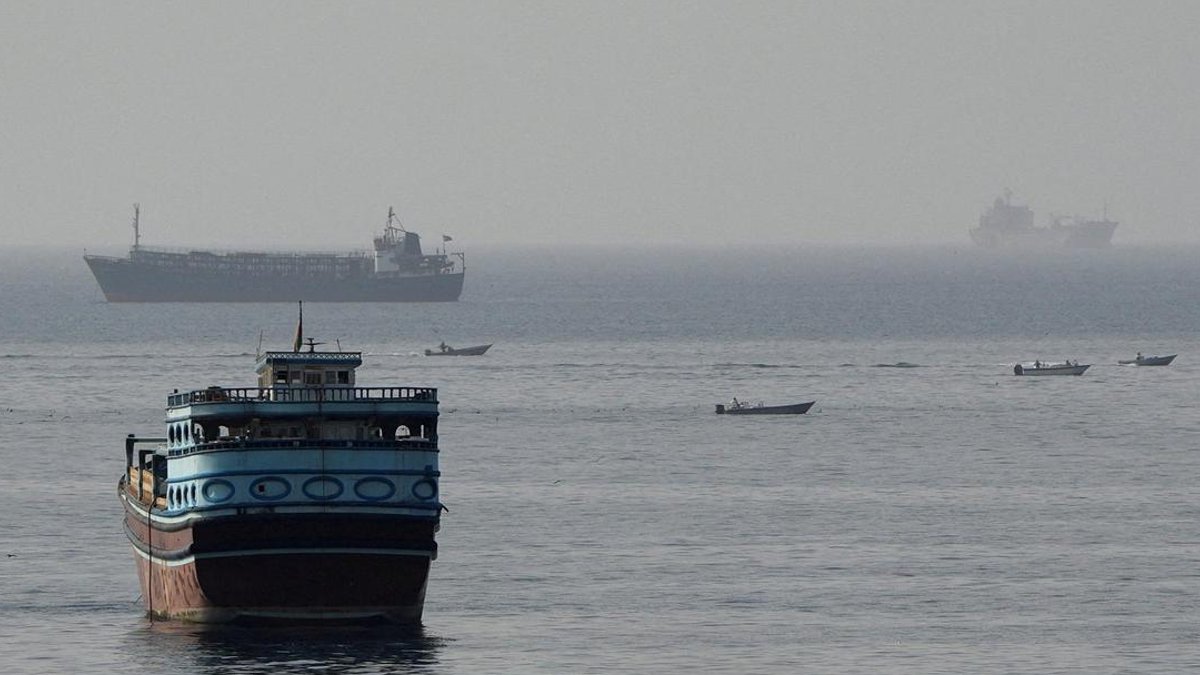
Negotiations to reopen the Strait of Hormuz have entered what Iran describes as the “final stage,” with both Tehran and Washington indicating a deal could be announced soon. The agreement depends on a key compromise that would require at least one side to abandon a long-standing position.
Draft deal nearly complete, but control remains the sticking point
Iranian and Omani negotiators have completed a draft agreement to reopen the critical waterway, according to two regional officials familiar with the talks. The deal still requires approval from Iran’s Supreme Leader, Ayatollah Mojtaba Khamenei, who is believed to have been wounded in the war’s opening strikes and has not been seen in public since then.
The officials, who spoke anonymously, said the proposed terms would serve as a temporary solution linked to a collapsed June accord between the U.S. and Iran. Under the plan, ships would enter the Persian Gulf through an Iranian-controlled route and exit via an Omani corridor. Iran would impose service fees for security and environmental protection, an arrangement the U.S. has consistently opposed.
Related: Netcore rebrands as Netcore.ai with growth accountability
President Donald Trump told reporters Tuesday that an agreement was near, stating, “It could happen. Tomorrow or the next day.” Vice President J.D. Vance acknowledged the complexity of the process, calling it “messy” and describing Iranians as “extraordinarily difficult people.” He added that progress sometimes involves setbacks before moving forward.
Iran has refused to restore the strait to its pre-war status as an open international waterway. The U.S., along with Israel, launched the war on February 28, citing various goals including toppling Tehran’s government and ending its nuclear programme. Those have not been achieved, and the conflict has devolved into a fight over the strait as Iran’s assertion of control and attacks on shipping have ground traffic to a near halt.
Closure of the strait, through which a fifth of the world’s traded oil and natural gas once passed, has driven up the price of fuel and basic goods, roiling the global economy. Trump is also under mounting pressure to end an unpopular war ahead of U.S. congressional elections.
Iran’s Foreign Ministry spokesperson, Esmail Baghaei, said the agreement with Oman is in the “final stage” of drafting, and that a joint statement will be issued “if certain parties do not obstruct this process”, apparently referring to the US.
Related: Saying Yes to the Future: Why Ethical Engagement Rings Matter
Without a deal, the alternative is a prolonged standoff with no clear resolution. The challenge now is whether either government can convince its hardliners to accept a compromise—or if the talks will only delay the next crisis.
Oil prices initially eased but later inched up. Brent crude, the international standard, was around USD 80 per barrel — still well below the levels it hit at the height of the conflict.
For now, the draft remains just that. Until Khamenei approves it and the U.S. decides whether to accept Iran’s terms, the world’s most important oil chokepoint stays closed. A recent discussion on regional security agreements highlights how fragile such negotiations can be.

US Nears Hormuz Deal with Iran and Oman


