


US Nears Hormuz Deal with Iran and Oman
The United States is nearing an interim deal with Iran and Oman aimed at reopening the Strait of Hormuz, a critical waterway that has again become a flashpoint after the collapse of a 14‑point memorandum of understanding between Washington and Tehran last month.
Negotiations aim to restore a temporary cease‑fire
According to a report citing two regional sources and a U.S. official, the agreement could be announced on Wednesday. The draft envisions a 60‑day arrangement that would regulate maritime traffic through the strait, with the option to extend the period.
Under the plan, vessels inbound to the Gulf would travel a northern lane in Iranian waters, while outbound traffic toward the Arabian Sea would use a southern lane in Omani waters. No tolls or transit fees are slated for the initial 60 days.
The proposal also calls for naval mines in the median shipping lane to be cleared within 30 days. Once cleared, the lane would serve both inbound and outbound ships, pending a permanent agreement between Oman and Iran.
Related: RBI likely to keep rates steady on inflation fears
U.S. Special Envoy Steve Witkoff has held multiple talks with Iranian Foreign Minister Abbas Araghchi and Omani Foreign Minister Badr al‑Busaidi as part of the effort to finalise the pact.
Regional mediation and recent developments
Regional actors from Qatar, Pakistan and Saudi Arabia have also taken part in mediation, according to the same source. The White House remains actively involved, with officials monitoring the situation closely.
Iranian officials indicated that Araghchi agreed in principle to the arrangement over the weekend, but the deal still required clearance from Iran’s Supreme Leader Mojtaba Khamenei and the Supreme National Security Council. A U.S. official said that Iran’s leadership completed the approval process on Tuesday, bringing the parties closer to a formal announcement.
President Donald Trump had earlier signaled a willingness to forego large‑scale military strikes against Iran, opting instead for more diplomatic time after consulting Gulf partners. The administration warned that if a deal failed to materialise soon, it could still authorize major military action.
Related: ABB eyes data centres and grid upgrades
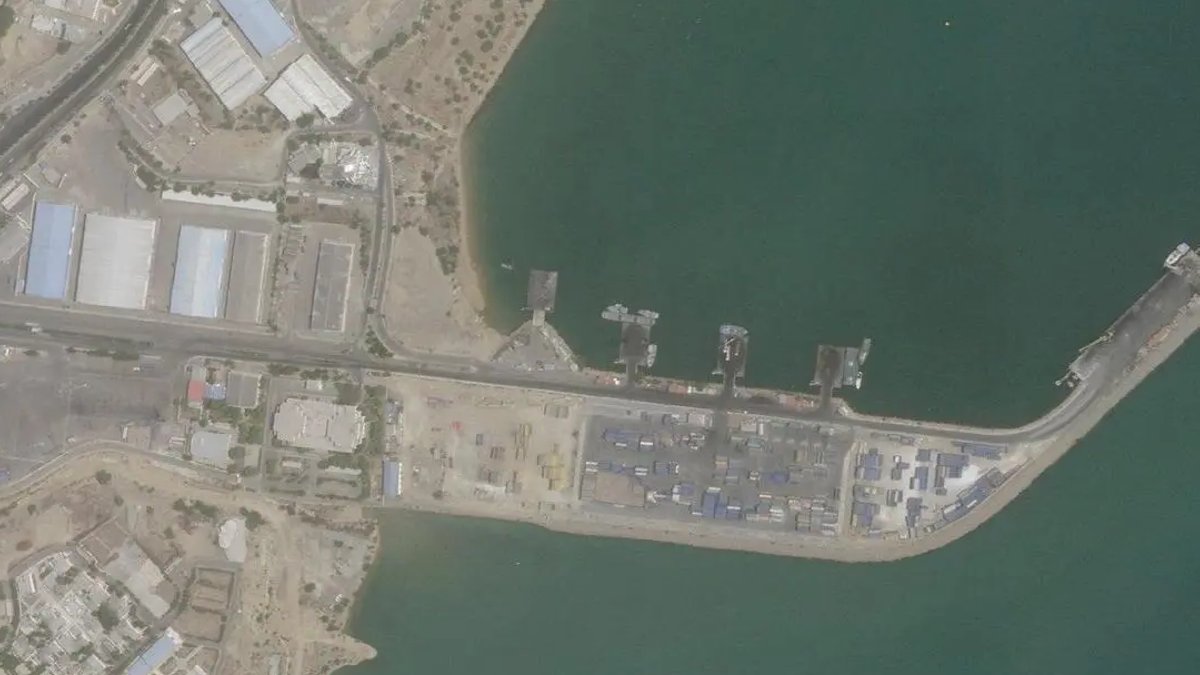
Satellite imagery from July 9 shows damage at the control tower in the Iranian port of Chabahar, a reminder of the recent strikes aimed at keeping the strait open for shipping.
Despite the progress, the situation remains fragile. The earlier 14‑point memorandum fell apart after Iran allegedly resumed attacks on ships, sparking two weeks of fighting that brought the region close to a broader conflict.
The next steps will likely involve formal sign‑offs by the involved governments and a public statement outlining the terms. If announced as expected on Wednesday, the interim deal could serve as a bridge toward broader talks on Iran’s nuclear program and regional security.

RBI likely to keep rates steady on inflation fears


