


Trump-Xi Summit Tackles AI, Trade, Critical Minerals Tensions
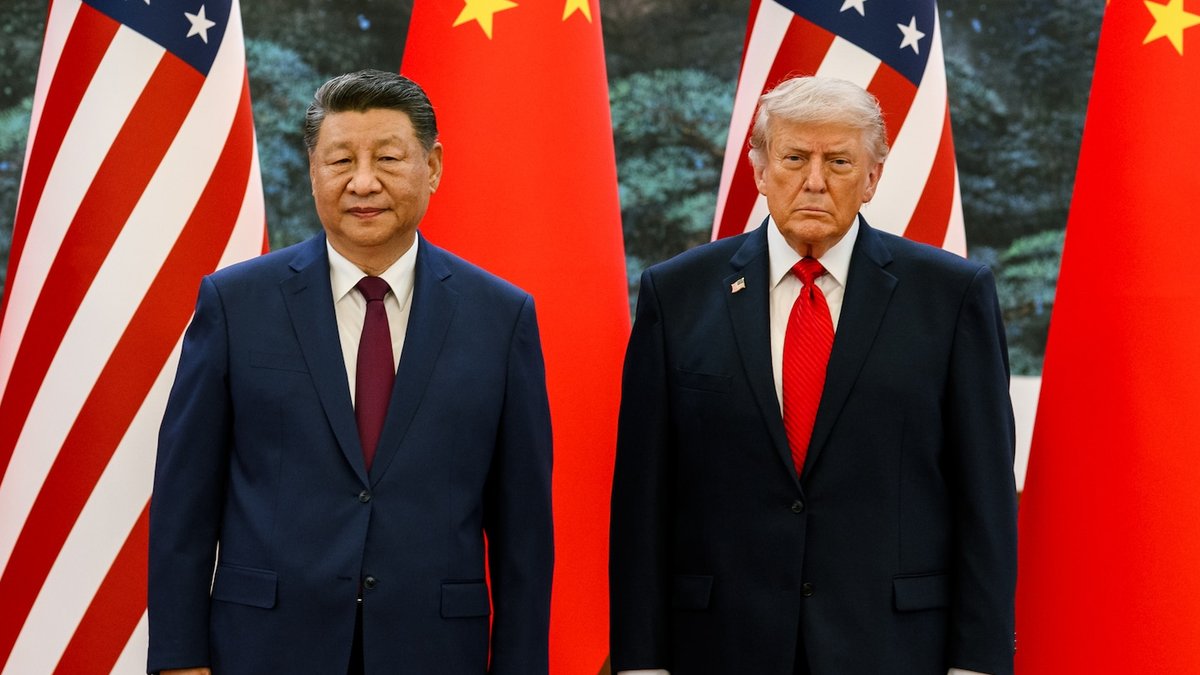
US President Donald Trump and Chinese President Xi Jinping are scheduled to meet in Washington this week. Their talks will focus on artificial intelligence, tariffs, critical minerals, and trade commitments. Both nations aim to maintain their fragile trade truce.
According to reports, discussions include cooperation on AI, trade in non-sensitive goods, and a possible extension of the agreement that eased tensions between the world’s two largest economies.
AI and Critical Minerals Take Center Stage
Both sides have accused each other of failing to honor commitments under the trade arrangement. Disputes now extend to technology, supply chains, and business regulation.
US officials have raised concerns over China’s restrictions on exports of critical minerals used in automobiles, semiconductors, and power tools. American companies have also expressed uncertainty over the reliability of these supplies.
Trade Rules Create Challenges for Companies
China has introduced measures giving authorities greater oversight of foreign companies operating within its borders. These include restrictions on supply-chain audits and penalties for companies complying with certain foreign sanctions against Chinese businesses.
China has also tightened oversight of outbound investment and mineral exports. The US has added Chinese companies to military-related and forced-labor trade lists while maintaining restrictions on Chinese technology.
These measures leave multinational companies caught between competing regulatory requirements. China has retaliated against US businesses involved in supply-chain verification, including firms examining cotton linked to Xinjiang.
What’s on the Table for Trump and Xi?
Washington wants Beijing to fulfill commitments to buy US agricultural products and Boeing aircraft. Both sides are considering a new board of trade mechanism that could lower tariffs on about $30 billion of goods traded by each country.
Other topics may include AI safety, Taiwan, and Chinese investment in the US. The key economic question is likely the future of the trade truce, set to expire on November 30.
China seeks a longer extension, while the US proposes a six-month renewal. A shorter extension would allow Washington to more frequently review China’s commitments and push for further concessions.
The disputes over critical minerals, AI, technology access, and trade rules show that the truce has not removed the underlying tensions between Washington and Beijing. For businesses operating across both markets, the immediate focus will be whether Trump and Xi can prevent those disputes from triggering another escalation in tariffs and trade restrictions.


