


India Eyes Gold Recycling Boom
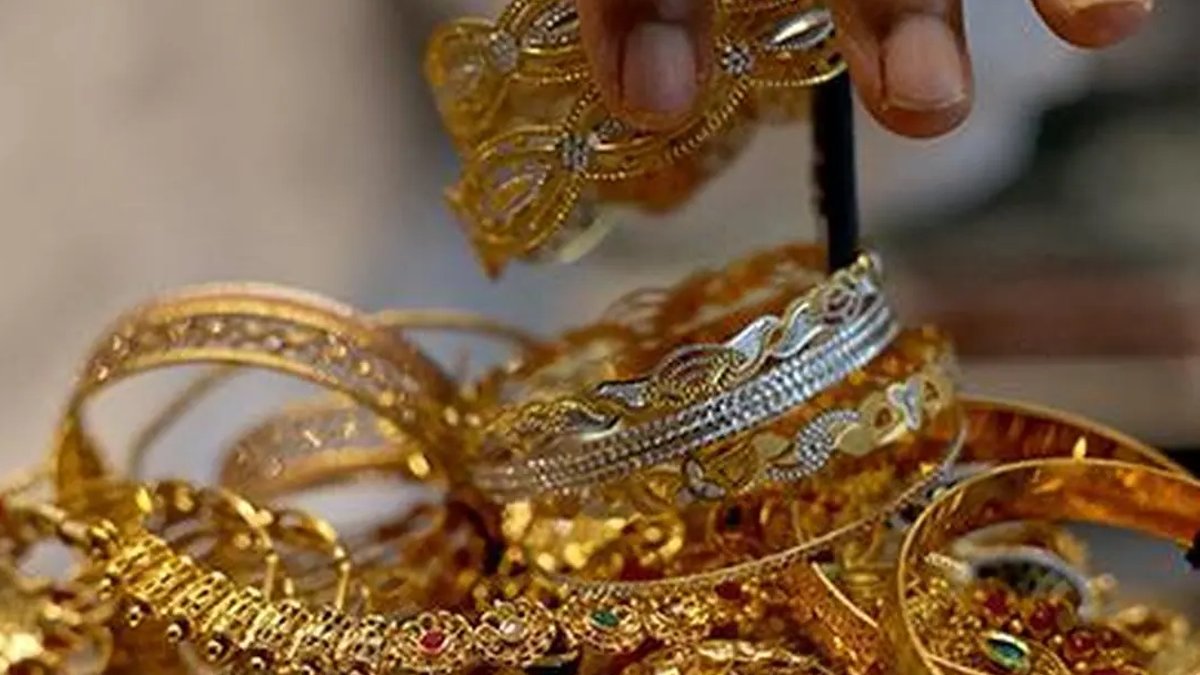
Prime Minister Narendra Modi has asked Indians to curb gold purchases for a year, a plea that has sparked discussion about leveraging the country’s existing gold reserves. With gold prices at record highs and the nation still heavily reliant on imports, policymakers and industry observers are reconsidering whether recycling could become a cornerstone of a more self‑sufficient gold market.
Gold recycling could ease the import burden.
Why gold recycling is gaining attention
Gold differs from many other materials because it can be reclaimed without loss of purity. Unlike steel or plastic, which degrade after each melt, gold retains its original quality, allowing it to be cycled indefinitely. This technical attribute makes the metal a natural candidate for a circular economy approach, especially when global supply chains face price volatility.
Related: Meta Fights Social Media Addiction Lawsuits
Consumer habits are already shifting. As prices climb, owners of jewelry are more inclined to trade in old pieces for cash or to use the metal in new purchases. The metal, once a passive store of wealth, is now being treated as an active asset that can generate immediate financial returns. Such a transition hints at a broader restructuring of the Indian gold ecosystem.
Potential impact on imports and domestic wealth
India ranks among the world’s largest gold importers, a status that exposes the economy to currency swings and supply disruptions. By recycling domestically held gold, the country could lessen this exposure. Households collectively own one of the largest private stockpiles of gold globally, much of it stored in lockers and vaults for years. Unlocking this dormant wealth through a structured recycling framework could convert idle assets into productive inputs for the jewelry sector and other industries.
The government’s Gold Monetisation Scheme, recently revised, aims to link physical gold with digital representations such as Digital Gold and Electronic Gold Receipts. These tools could provide owners with alternatives to outright sale, allowing them to retain ownership while still participating in formal financial markets. By expanding participation, the scheme may also increase transparency and traceability across the recycling chain.
Beyond the jewelry market, recycled gold could serve industrial applications that demand high‑purity metal, such as electronics and medical devices. By feeding these sectors with locally sourced material, the overall demand for imported gold would diminish further, creating a feedback loop that reinforces domestic supply resilience.
Related: Coal India expands into iron ore sector
Challenges and next steps
Despite the promising outlook, several hurdles remain. Scaling up will require investment in facilities that can handle large volumes while maintaining stringent quality controls. Moreover, consumer awareness about the benefits of recycling versus new purchases must be heightened through targeted campaigns.
Regulators are expected to tighten guidelines for gold monetisation and recycling, ensuring that digital receipts accurately reflect the underlying physical metal. Clear legal frameworks will be necessary to protect owners’ rights and to prevent market manipulation.
In the near term, the combination of high gold prices, evolving consumer behavior, and government initiatives creates a conducive environment for a recycling‑led ecosystem. If the sector can align technology, policy, and market incentives, gold recycling may indeed emerge as a notable example of circular economy practice in India.

Meta Fights Social Media Addiction Lawsuits


