


Verisk unveils U.S. data center exposure database
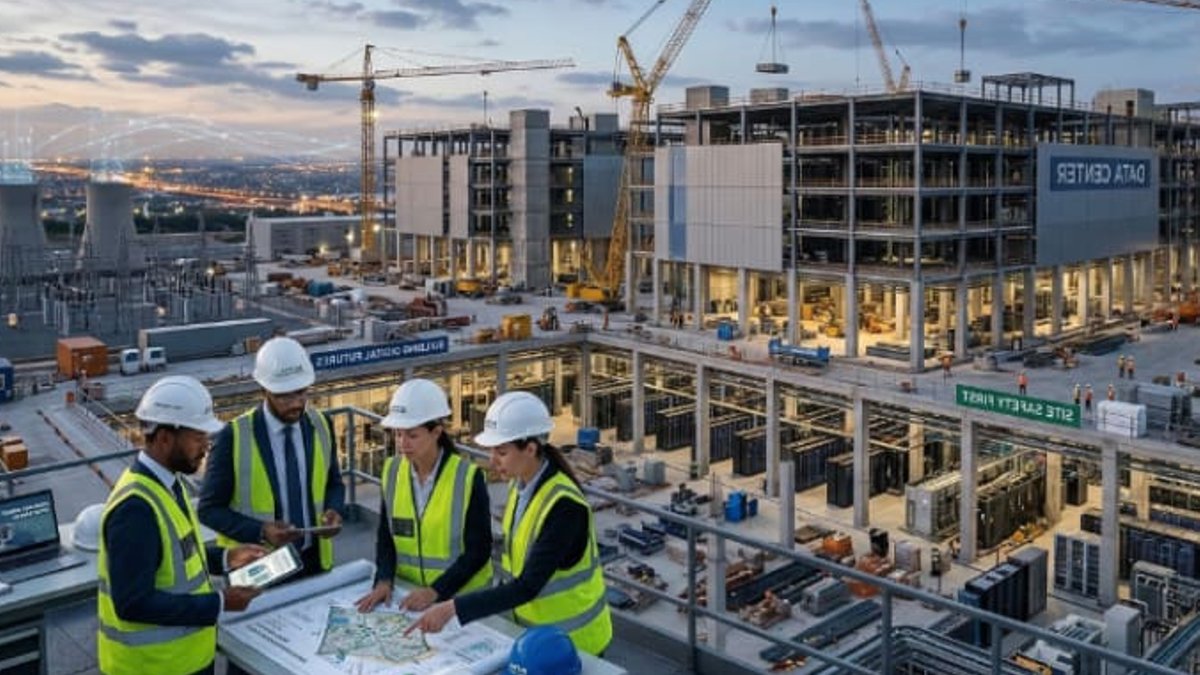
Verisk has launched a new U.S. Data Center Exposure Database designed to help insurers, reinsurers, and brokers manage one of the fastest-growing concentrations of risk in the modern economy. The global analytics provider announced the product to address a gap in underwriting data as artificial intelligence infrastructure expands. The database includes building-level geocoding, facility footprints, and physical characteristics for over 2,500 facilities across the United States. It can be used within Verisk’s Cooperation Studio and Touchstone products to support various workflows.
Industry reports suggest global data center insurance premiums could more than double from around $10 billion in 2026 to as much as $23 billion by 2030. The scale of the risk limits required has stretched insurance capacity. The reinsurance market is not yet providing as much support as needed to ensure the capacity becomes available. Consequently, there has been significant interest in the insurance-linked securities market, where capital markets are viewed as a source for covering peak catastrophe and severe weather exposures associated with these facilities.
Rob Newbold, president of Verisk Catastrophe and Risk Solutions, noted that while AI is often discussed as a digital transformation story, it is increasingly a physical infrastructure story. The facilities powering this growth represent billions of dollars in concentrated assets. Jay Guin, executive vice president and chief research officer at the same division, added that data centers have quietly become one of the largest and fastest-growing concentrations of insured value. Guin explained that organizations are investing billions to support AI-driven growth, but many insurers are increasingly focused on understanding where these assets are located and how risk accumulates across regions and portfolios. He stated that if you cannot identify the exposure, you cannot effectively measure or manage it.
Verisk’s data is particularly relevant given that data centers are ultimately physical facilities with real-world exposure to hazards like hurricanes, flooding, severe convective storms, and earthquakes. As AI infrastructure continues expanding, understanding where those assets are located and how risks aggregate becomes increasingly important to insurers, businesses, and communities alike. The company said it is answering industry demands with this new database.
Related: Sensex Falls 350 Points in Early Trade
The demand for this type of granular information is driven by the need to establish a better-functioning risk capital pipeline. More granular data can assist with segmenting different classes and types of risk from within these high-value campuses. This segmentation is critical to enable ILS capital to flow in to support the capacity needs of this opportunity. The database provides the necessary detail to support underwriting, exposure management, catastrophe analytics, and portfolio accumulation assessments.
While the database fills a data gap, the broader market response to this risk involves complex structural considerations. Data centers are in many ways no different to other high-value infrastructure and engineering single risks, making it inevitable that ILS capacity will absorb some of this risk through its usual channels. However, the ILS market could also have an opportunity to reimagine the way risk flows and structures respond to different peril exposures within these complex development projects through their ongoing lifespans. More granular exposure data supports these evolving structures by providing the clarity needed to manage accumulation and peril-specific risks over time.
Northern Re in-force premium exceeds $1B. [1] The report notes this milestone as a significant indicator of the sector’s expansion. Meanwhile, market movements reflect broader economic trends. [2] Sensex Falls 350 Points in Early Trade [2].

Northern Re in-force premium exceeds $1B


