


India condemns Hormuz vessel attacks at UN Council
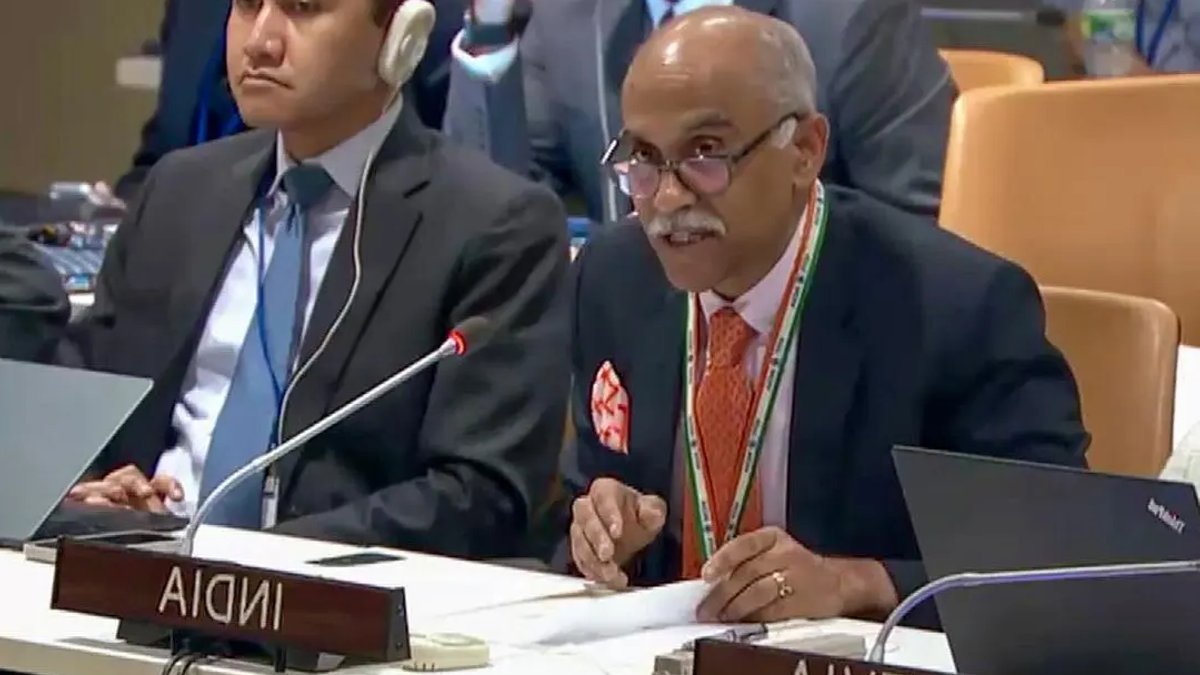
India condemned the recent attacks on maritime vessels in the Strait of Hormuz, calling the escalation of hostilities in West Asia “deeply concerning” and urging an immediate return to safe, unimpeded navigation.
UN Security Council debate highlights Indian concerns
During an open debate at the United Nations Security Council on Tuesday, India’s permanent representative, Ambassador Parvathaneni Harish, said the region’s “immense importance” to New Delhi makes the renewed violence especially worrisome. He noted that after a brief lull, attacks on vessels such as the GFS Galaxy, MT Al Bahiyah and MT Mombasa have resumed, endangering commercial shipping and civilian infrastructure.
“Several Indian citizens were injured, including some seriously, one Indian tragically lost his life, and one is missing, in these attacks,” Harish told the council. He reiterated India’s longstanding opposition to any violence that threatens seafarers or disrupts free navigation through international waterways.
Related: Flood Re pilots certificates for new homes
India’s statement also stressed that the targeting of commercial shipping must stop and that navigation through the Strait of Hormuz should be restored “in keeping with international law.” The ambassador warned that continued disruption could have broader economic repercussions for New Delhi, whose trade and energy supply chains are closely tied to the Gulf region.
Economic stakes and human impact
India’s annual bilateral trade with Gulf states amounts to roughly $180 billion, while foreign direct investment from the region exceeds $31 billion. Remittances from the Gulf Cooperation Council alone total more than $52 billion. Approximately 10 million Indians live and work across the Gulf, making their safety a priority for the government.
Daily ship transits through the strait have dropped from over 100 before the conflict to as few as eight to fifteen by mid‑July, according to the UN Economic and Social Commission for Asia and the Pacific. The decline in traffic shows how quickly commercial routes can be crippled by hostilities.
While the United Nations notes that Iran declared the strait closed again on July 11 after attacks beginning July 6, India warned that the focus on the waterway should not eclipse the humanitarian crisis in Gaza. The ambassador said the international community must act with urgency to protect civilian lives and infrastructure there.
Related: Lights Camera Actuary with AXA UK’s Camilla Bennett
Broader regional positions
Beyond the Strait of Hormuz, India reaffirmed its support for Yemen’s unity and sovereignty, condemning Houthi attacks on maritime navigation. He highlighted the shared responsibility of protecting the Bab al‑Mandab Strait and the Southern Red Sea.
Disruption of oil shipments through the strait could raise fuel prices in India, where energy imports account for a sizable share of the national budget. Families that rely on remittances might feel tighter financial constraints if trade slows, affecting everyday consumption patterns.
India’s diplomatic push aligns with broader calls for dialogue and diplomacy to restore stability. The ambassador concluded by emphasizing belief in a sovereign, independent, and viable State of Palestine living alongside Israel, describing this as essential for a lasting solution in the region.

Flood Re pilots certificates for new homes


